
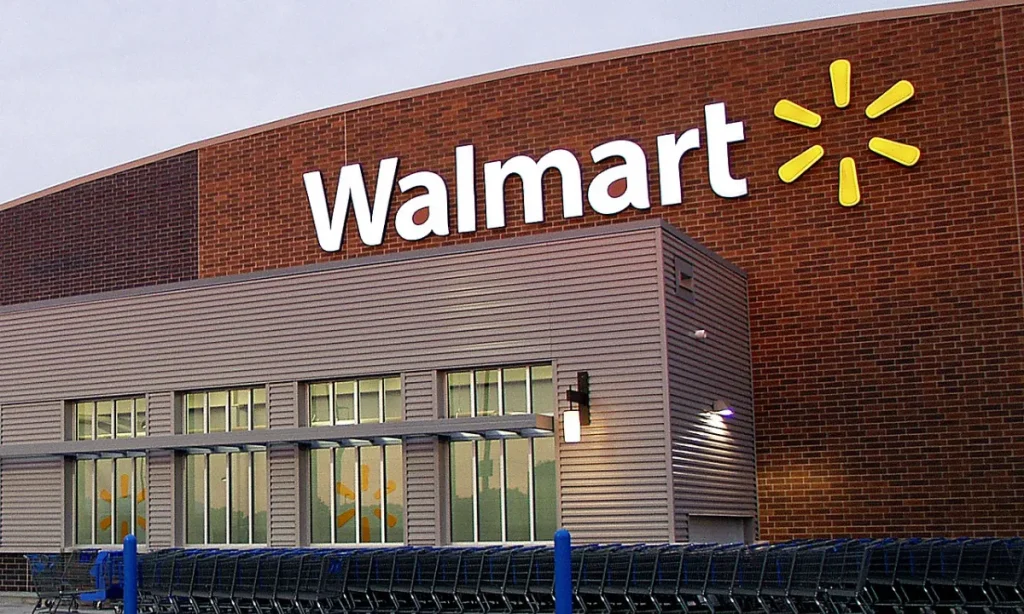

The global retail industry is going through one of its biggest transitions in decades. Rising customer expectations, pressure on pricing, labor challenges, and rapid advances in artificial intelligence are forcing even the largest retailers to rethink how they operate. In response, Walmart, the world’s largest retailer, is preparing a series of major changes in 2026 that aim to reshape the in-store experience, strengthen its workforce, and modernize its supply chain.
After years of customer complaints related to crowded stores, outdated layouts, pricing inconsistencies, and slow checkouts, Walmart has decided that incremental upgrades are no longer enough. Instead, the company is moving toward a bold transformation strategy built around technology, efficiency, and customer-centric design.

Below is a detailed look at the most important changes that will transform Walmart in 2026, and what they mean for shoppers, employees, and the retail industry as a whole.
1. “Store of the Future” Concept: A Complete Redesign of Physical Stores
One of the most visible changes shoppers will notice is the rollout of Walmart’s “Store of the Future” concept. The company plans to build, remodel, or significantly upgrade more than 100 stores, with long-term plans extending even further.
What’s Changing Inside Stores?
The redesigned stores will focus on:
- Wider aisles to reduce congestion
- Better lighting and cleaner layouts
- Faster navigation between departments
- Clearer product placement
Many locations will also include expanded services such as:
- Auto Care Centers
- Express pickup and delivery zones
- Improved self-checkout areas
The goal is simple: make shopping less stressful, faster, and more intuitive, especially during peak hours.
2. AI-Powered Employee Training and Skill Development
While artificial intelligence often raises fears about job losses, Walmart is taking a different approach. Rather than replacing workers, the retailer plans to upskill its workforce.
Free AI Training for Employees
In 2026, Walmart employees will receive:
- Free access to AI training programs
- Certification opportunities in emerging technologies
- Education on how to work alongside AI systems
This initiative is part of Walmart’s broader employee retention strategy. By helping workers adapt to technological change, the company aims to create a more skilled, confident, and future-ready workforce.
This move also positions Walmart as one of the first major retailers to formally integrate AI education at scale for frontline staff.
3. Expansion and Modernisation of Stores Across the US
Many Walmart Supercenters were built decades ago and no longer match modern shopping expectations. To address this, Walmart is planning:
- Construction of new Supercenters
- Large-scale renovation of aging stores
- Introduction of smarter layouts tailored to local communities
Newer stores will be designed for high-density areas, balancing grocery shopping, general merchandise, and fast fulfillment services under one roof.
This modernization effort is expected to improve:
- Customer flow
- Product availability
- Overall store efficiency
Shoppers can expect to see the first wave of these upgraded stores appearing throughout 2026.
4. Leadership Transition at the Top
Another major shift for Walmart in 2026 will be a change in leadership. Doug McMillon, who has served as CEO since 2014, is set to retire in early 2026.
Under McMillon’s leadership, Walmart:
- Accelerated digital transformation
- Increased wages for entry-level employees
- Introduced tuition assistance programs
- Reduced greenhouse gas emissions by one gigaton, six years ahead of schedule
- Successfully navigated the COVID-19 pandemic
A new CEO will bring fresh priorities while building on these achievements. Leadership transitions of this scale often signal strategic realignment, making 2026 a pivotal year for Walmart’s long-term vision.
5. Heavy Investment in Automation and AI Across Operations
Automation is becoming essential in modern retail, and Walmart is doubling down on it in 2026.
Smarter Supply Chains
Walmart is expanding automated systems in:
- Distribution centers
- Fulfillment hubs
- Inventory management operations
New facilities will feature:
- Autonomous mobile robots
- Self-driving forklifts
- Advanced inventory sensors
These systems help reduce errors, improve stock accuracy, and ensure faster delivery of online orders.
6. Digital Price Tags: Goodbye Paper Labels
One of the most practical changes for shoppers will be the introduction of digital price tags across stores.
Why Digital Pricing Matters
Currently, employees must manually update paper price labels, a time-consuming process prone to errors. Digital price tags will:
- Update prices instantly
- Reduce pricing mismatches at checkout
- Allow faster rollouts of discounts and promotions
For customers, this means greater price accuracy and transparency, especially during sales events.
7. A More Seamless Online and In-Store Experience
Walmart’s 2026 strategy focuses heavily on blending physical and digital retail. Improvements include:
- Faster order fulfillment
- Better coordination between online and in-store inventory
- Enhanced express pickup and delivery options
This approach helps Walmart stay competitive with e-commerce giants while leveraging its massive physical store network.
What These Changes Mean for Customers
By 2026, Walmart aims to deliver:
- Less crowded stores
- Faster checkouts
- More accurate pricing
- Better product availability
- A cleaner, more modern shopping environment
The retailer is responding directly to long-standing customer complaints, turning feedback into actionable improvements.
What These Changes Mean for Employees
For Walmart employees, the transformation brings:
- New skills and training opportunities
- Exposure to advanced technology
- Potential career growth in AI-driven retail operations
Rather than being replaced by automation, workers are being positioned to work alongside smarter systems.
The changes Walmart is implementing in 2026 are not cosmetic upgrades, they represent a fundamental transformation of how the company operates. From AI-driven training and automation to modernized stores and leadership changes, Walmart is preparing itself for the next generation of retail.
As competition intensifies and consumer expectations evolve, these changes could determine whether Walmart remains the undisputed leader of global retail in the decade ahead.
Frequently Asked Questions (FAQs)
When will Walmart’s new changes start appearing?
Most changes will begin rolling out throughout 2026, with some pilots already underway.
Will AI replace Walmart employees?
No. Walmart plans to train employees to work with AI, not replace them.
What is the “Store of the Future” concept?
It refers to redesigned Walmart stores with better layouts, modern services, and improved customer flow.
Will prices increase due to these upgrades?
Walmart has stated its focus remains on affordability, using technology to control costs rather than raise prices.
How will digital price tags benefit shoppers?
They ensure accurate pricing, faster discounts, and fewer checkout errors.