
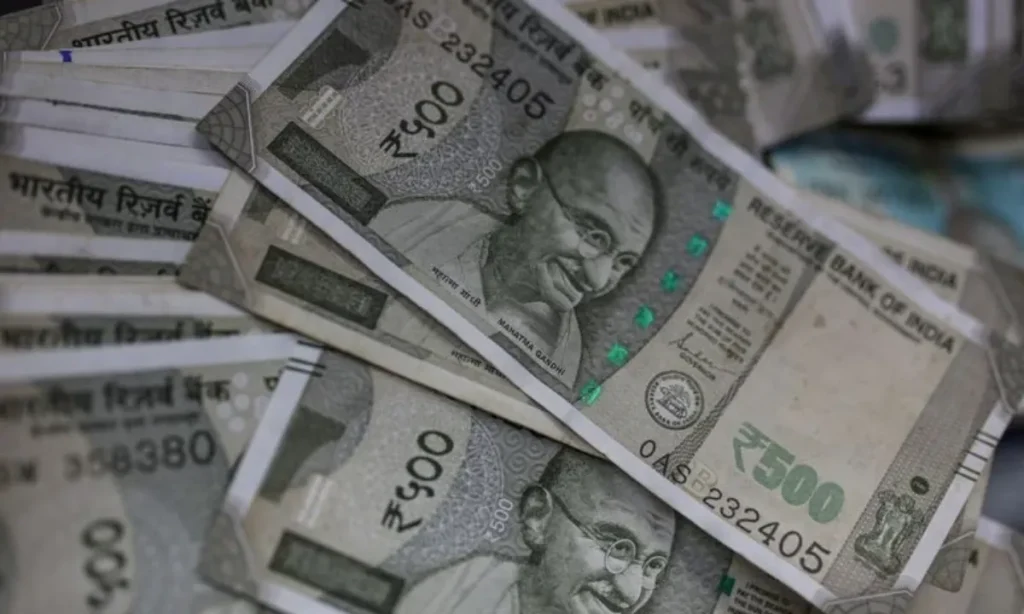

For lakhs of central government employees and pensioners, the 8th Pay Commission has finally moved from speculation to reality. While the announcement has raised hopes of a salary and pension hike, many questions remain unanswered: who exactly is eligible, who is not automatically covered, when revised pay will actually reach bank accounts, and how big the increase could realistically be. Here is a clear guide that explains everything you need to know about the 8th Pay Commission, cutting through rumours and setting realistic expectations.
About 8th Pay Commission
The 8th Pay Commission is a government-appointed body tasked with reviewing and revising the salary structure, allowances, and pensions of central government employees and retirees. Pay Commissions are typically set up once every 10 years to adjust compensation in line with inflation, cost of living, and broader economic conditions.

The government has officially constituted the 8th Central Pay Commission, approved its Terms of Reference, and assigned it a timeline of 18 months to submit its recommendations. With this step, the uncertainty around whether a new pay commission would be formed has ended. The process has formally begun.
Who Is Eligible for the 8th Pay Commission?
At its core, the 8th Pay Commission applies to central government employees and pensioners. You are eligible if you fall under any of the following categories:
- Serving employees of the Central Government of India working across ministries, departments, and attached offices
- Central government pensioners and family pensioners
- Employees governed by the central civil services pay matrices
An important point to note is that the Terms of Reference explicitly include both serving employees and retirees, meaning pension revisions are an integral part of the commission’s mandate, not an afterthought.
Who Is Not Automatically Covered?
State Government Employees
State government employees are not automatically covered by the 8th Pay Commission. Each state government independently decides whether to adopt the recommendations, fully, partially, or with modifications, and often does so much later.
PSU and Autonomous Body Employees
Employees of Public Sector Undertakings (PSUs), autonomous bodies, and statutory organisations will benefit only if their respective governing bodies choose to align their pay structures with the commission’s recommendations. In simple terms:
- Central government employees: Yes
- State government employees: Maybe, later
- PSU/autonomous bodies: Depends on internal decisions
Has the 8th Pay Commission Officially Started?
Yes. The speculation phase is over. The government has:
- Formally constituted the 8th Pay Commission
- Approved its Terms of Reference
- Informed Parliament about the process
- Confirmed that funds will be arranged once recommendations are accepted
What the government has not promised is equally important
- No interim relief announcement
- No immediate salary hike
- No merger of DA/DR with basic pay at this stage
When Will Salaries and Pensions Actually Increase?
On paper, the revised pay structure is expected to be effective from January 1, 2026. Previous Pay Commissions followed a familiar pattern:
- Commission submits its report
- Cabinet reviews and approves recommendations
- Implementation takes place months later
- Arrears are credited from the notified effective date
Based on past trends, employees should realistically expect actual salary and pension credits to reflect sometime in FY 2026–27, not immediately in January 2026. When implemented, arrears are usually paid retrospectively, offering a one-time lump sum benefit.
How Much Salary Hike Can You Expect?
There is no official figure yet, but early projections suggest a salary increase in the range of 20% to 35%, depending on grade, allowances, and the final fitment factor. For perspective:
- 6th Pay Commission: Approx. 40% average hike
- 7th Pay Commission: Approx. 23–25% impact (fitment factor 2.57)
For the 8th Pay Commission, early estimates place the fitment factor between 2.4 and 3.0, though this will ultimately depend on Inflation trends, Fiscal space available with the government and Broader economic conditions. These numbers are projections, not guarantees.
As of now, there is no proposal to merge DA with basic pay and no commitment to reset DA at zero. Any changes related to DA or allowances will only be known once the commission submits its report and the Cabinet reviews it.
What Should Employees and Pensioners Do Now?
The most sensible approach right now is patience and preparedness. The commission is working within a fixed timeline, and key decisions will unfold through:
- Cabinet approvals
- Union Budget announcements
- Official notifications
Employees should avoid relying on unofficial figures or social media speculation. The 8th Pay Commission is no longer a question of if; it is now only about when and how much. For central government employees and pensioners, the journey toward revised pay and pensions has officially begun. While the benefits will not arrive overnight, the foundation has been laid.
The coming months will bring more clarity on timelines, fitment factors, and final implementation. Until then, expectations should remain realistic and grounded in how previous Pay Commissions have unfolded.
Frequently Asked Questions (FAQs)
Who will benefit from the 8th Pay Commission?
The 8th Pay Commission applies to central government employees and pensioners, including family pensioners who draw benefits under central pay structures.
Are state government employees covered under the 8th Pay Commission?
No. State government employees are not automatically covered. State governments may choose to adopt the recommendations later, fully or partially.
When will the 8th Pay Commission salary hike be implemented?
Although the revised pay is expected to be effective from January 1, 2026, actual salary and pension payments are likely to reflect in FY 2026-27, along with arrears.
How much salary hike is expected under the 8th Pay Commission?
Early estimates suggest a 20% to 35% hike, depending on the final fitment factor, pay level, and allowances approved by the government.
Will pensions also be revised under the 8th Pay Commission?
Yes. Pensioners and family pensioners are explicitly included, and pension revisions will be part of the commission’s recommendations.