
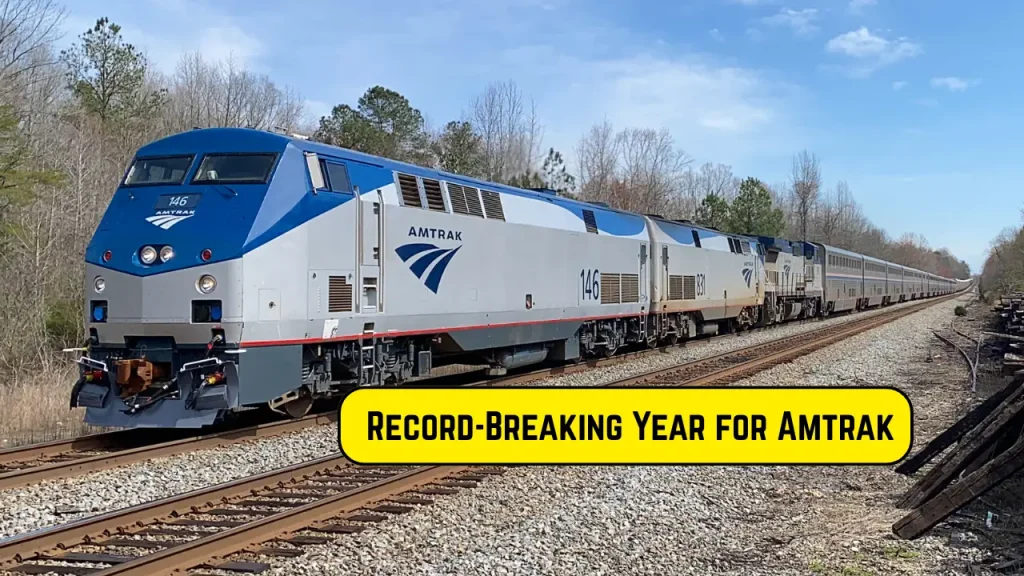

In 2026, a growing number of Americans are choosing trains over planes and highways, driving a renewed surge in ridership for Amtrak. What was once seen as a slower, outdated mode of transportation is now being reimagined as a scenic, comfortable, and stress-free alternative to air and road travel.
After years of disruption in the airline industry and rising frustration with crowded airports, delayed flights, and hidden fees, travelers are rediscovering the appeal of long-distance train journeys across the United States.
A Record-Breaking Year for Amtrak
Amtrak entered 2026 following one of the strongest years in its history. In fiscal year 2025, the national rail service reported more than 34 million passenger trips and billions of dollars in ticket revenue, marking its highest ridership levels since its founding.

This growth reflects a broader shift in travel behavior:
- Travelers seeking less stressful journeys
- Rising interest in sustainable transportation
- A desire for experiences, not just destinations
Rather than viewing travel as lost time, many passengers now see train journeys as part of the adventure.
Why Travelers Are Choosing Trains in 2026
The appeal of train travel goes beyond nostalgia. Passengers cite several reasons for choosing Amtrak in 2026:
- No airport security lines
- Spacious seating and freedom to move
- Scenic views unavailable from planes
- Ability to work, read, or socialize comfortably
- Fewer surprise fees compared to airlines
For long-distance routes like the Southwest Chief, travelers describe the experience as immersive, social, and relaxing — a sharp contrast to cramped flights.
Scenic Routes Drive a New Travel Mindset
One of the strongest drivers of Amtrak’s renewed popularity is its scenic long-distance routes, which cut through deserts, mountains, plains, and historic towns.
Passengers increasingly share stories of:
- Watching the landscape change hour by hour
- Dining with strangers who become temporary travel companions
- Treating the journey itself as a meaningful experience
In an era dominated by speed, train travel offers something rare: time and perspective.
Infrastructure Investment Is Changing the Experience
Federal investment over the past several years has significantly modernized Amtrak’s operations. Billions of dollars have been allocated to:
- Track improvements
- Station upgrades
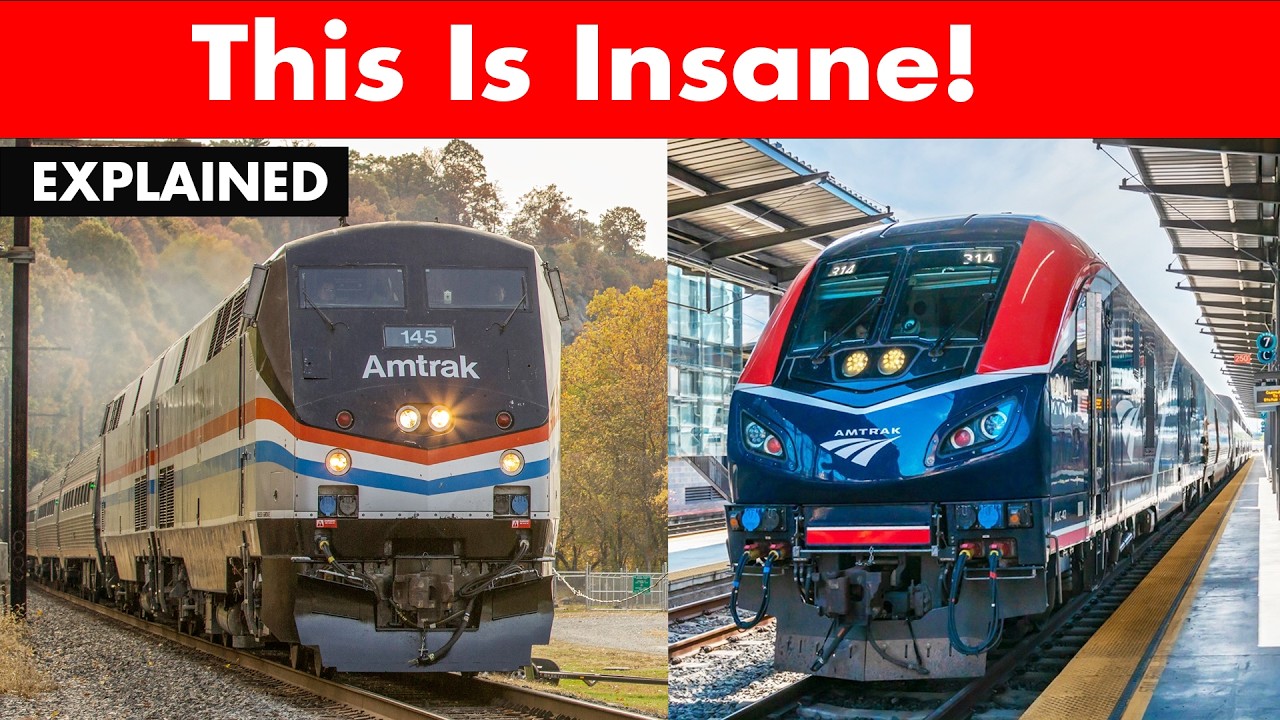
- New locomotives and railcars
- Faster and more reliable service
In the Northeast Corridor, high-speed improvements continue to reduce travel times between major cities, while long-distance routes benefit from improved reliability and onboard comfort.
New Concepts and Routes Generate Excitement
Looking ahead in 2026, Amtrak is exploring new service concepts designed to connect underserved regions and simplify long journeys. Among the most discussed ideas are:
- One-seat rides linking major metro areas
- Expanded state-supported routes
- Improved connections between commuter and long-distance rail
These concepts reflect Amtrak’s effort to adapt to changing travel expectations while competing with airlines on convenience rather than speed alone.
Environmental Concerns Influence Travel Choices
Sustainability is another major factor behind the shift toward rail travel. Younger travelers, in particular, are increasingly aware of the environmental impact of flying.
Train travel produces:
- Lower carbon emissions per passenger
- Reduced fuel consumption
- Less congestion in urban travel corridors
For many, choosing Amtrak aligns with broader lifestyle and environmental values.
Challenges Still Remain
Despite its growth, Amtrak continues to face obstacles in 2026:
- Dependence on federal funding
- Delays on tracks owned by freight railroads
- Aging infrastructure in some regions
However, demand remains strong, especially on high-traffic corridors where rail offers a clear advantage over driving or flying.
A Cultural Shift in How Americans Travel
The renewed interest in train travel reflects a deeper cultural change. Travelers are no longer focused solely on reaching their destination as quickly as possible. Instead, many are embracing slower, more intentional travel that emphasizes comfort, scenery, and human connection.
As one Amtrak spokesperson has noted, the view from 35,000 feet rarely changes — but the view from ground level tells the story of the country itself.
What 2026 Signals for the Future of Amtrak
As 2026 unfolds, Amtrak’s resurgence suggests that rail travel is no longer a niche option. It is becoming a preferred choice for Americans seeking balance between efficiency, experience, and sustainability.
With continued investment and evolving traveler preferences, train journeys are once again shaping how people explore the United States.